


It’s not just brakes, it’s confidence
Every technician knows how to replace brake pads.
Far fewer understand what it takes to restore braking confidence.
Real brake service isn’t about checking a box or getting the vehicle out the door—it’s about understanding how every step, surface and specification works together. When procedures are skipped or details ignored, the system may still function, but it no longer performs the way it was engineered to—and that’s where safety quietly begins to erode.
After more than four decades in this business, that’s the part that keeps me up at night—not the technology or the changing cars, but the details some people are willing to ignore. Missing or stripped wheel lug nuts. Anti-seize slathered where it doesn’t belong. Brake jobs that amount to nothing more than pad slaps—no rotor work, no hardware, no thought beyond “get it out the door.”
That’s not just poor workmanship. Those are safety issues.
Auto repair isn’t just about which wrench you use—it’s about how you use it. Which way you turn it matters just as much as which one you pick up. This is a business that affects lives, whether we choose to acknowledge it or not.
A late-model GMC Acadia rolled into my bay with a complaint of poor brake performance. A quick road test confirmed the concern. The brakes worked, technically—but something wasn’t right. They lacked confidence. When I pulled the wheels, the reason became obvious. The brakes had been “recently done,” but only in the loosest sense of the word—pads only. Original rotors still in place, untouched, complete with factory stake nuts. No machining. No replacement hardware. No attention to the details that actually make a brake system work the way it should.
The devil is always in the details.
We wrote the estimate the right way: pads and rotors all the way around, OE-quality parts, no shortcuts. Then we did what we always set out to do—a complete brake job. The hubs were cleaned. The caliper slides were serviced and lubricated with the correct grease. New hardware went on, because a brake pad that can’t move freely is a brake job already half-failed.
This wasn’t “just” a brake job.
It never is.
No one ever dies from a bad oil change. But brakes are different. Brakes are trust.
When the customer came to pick up the vehicle, I asked him to drive it before he paid. When he came back, the smile told the story.
“All I wanted,” he said, “was faith that the brakes would do their job.”
Every car that leaves a shop is headed somewhere. Most of the time, we’ll never know where. But the destination doesn’t matter.
What matters is that when the moment comes, the car responds the way it should.
Auto repair is more than nuts and bolts. It’s holding someone’s safety—and sometimes their livelihood—in the palm of your hand. Cutting corners may lower costs, but that’s not what auto repair is about.
Not now. Not ever.
That’s why I still do this work—to give my customers faith.
Keep the faith.
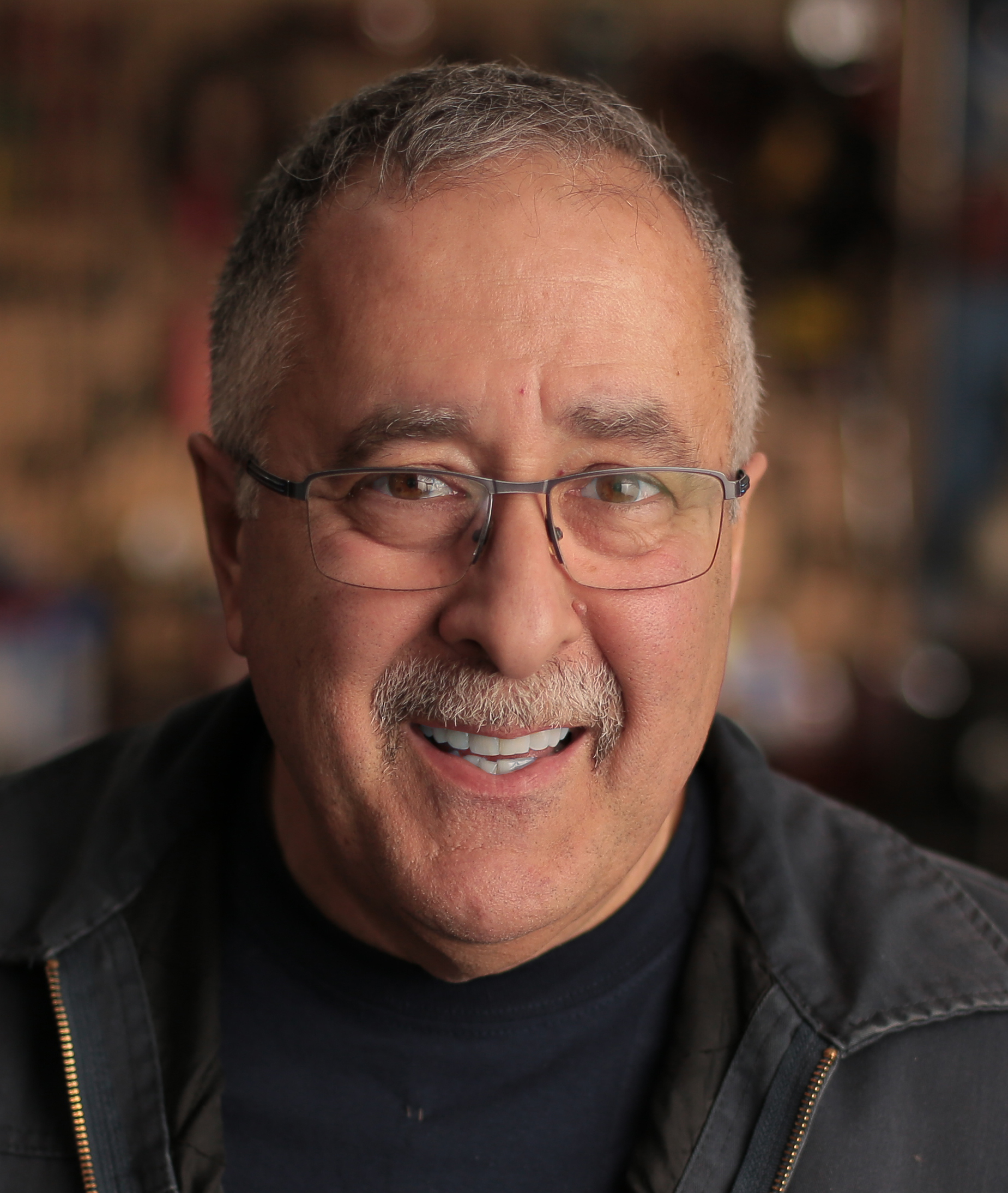 | Ron Ananian, The Car Doctor™Renowned automotive expert and the owner of R/A Automotive in New Jersey, a trusted repair shop serving drivers since 1978, Ron Ananian has been on air since 1991. Ron Ananian, The Car Doctor Radio Show, is syndicated in 200 markets. Streaming around the world, the podcast provides expert car repair advice, industry insights, and practical tips to listeners through iHeart Radio, Amazon, Google, Apple, and more. Tune in or learn more at www.cardoctorshow.com. |
Want to see how ALLDATA can improve shop efficiency? Check out our suite of products, each designed to contribute to both shop efficiency and productivity.
If you would like to read more articles like this one please subscribe to ALLDATA News.
