


How to Choose the Best Automotive Repair Software for Auto Shops and Technicians

Want to take ALLDATA for a test-drive?
ALLDATA offers a 7-day free trial


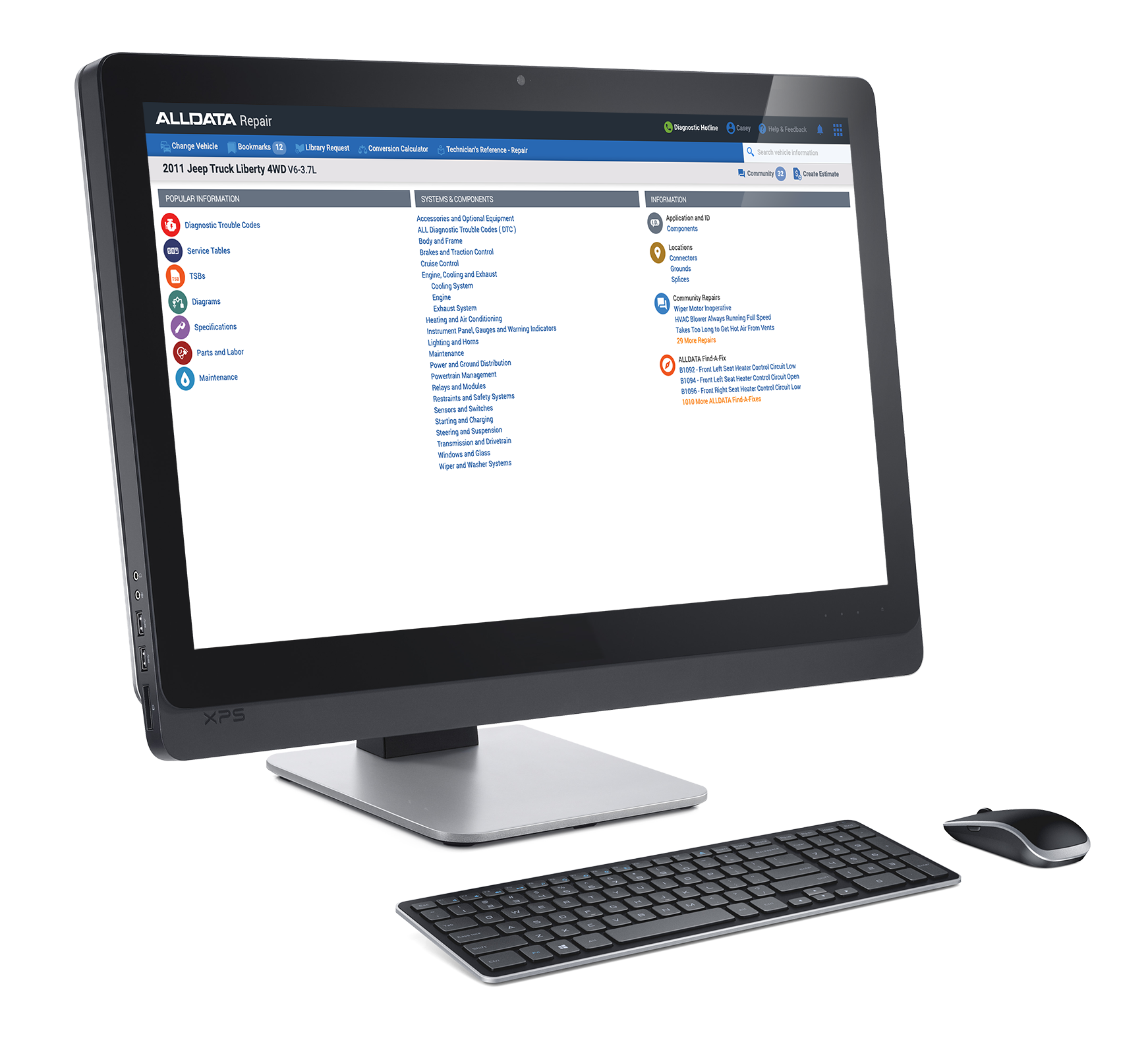
The best automotive repair apps feature Original Equipment Manufacturer (OEM) repair data – that is, factory-direct information detailing OEM parts and labor.
Why is OEM repair data important? Using OEM data helps technicians identify the correct procedures, locate the right parts, and diagnose issues accurately the first time. OEM data can include repair procedures, wiring diagrams, labor times, Technical Service Bulletins (TSBs), Diagnostic Trouble Codes (DTCs) and more. Following OEM procedures helps ensure that repairs are performed correctly and minimizes the risk of safety hazards.
When technicians can quickly access the information they need, they can complete repairs with faster turnaround times, which helps improve customer satisfaction.
Many insurance companies and dealerships prefer working with shops that use OEM data and have OEM certifications, knowing that OEM data helps ensure a higher quality of repair.
OEM, or Original Equipment Manufacturer, repair data refers to the technical information provided by the vehicle manufacturer, including how to properly diagnose, service, and repair their vehicles. This information includes detailed procedures, specifications, technical service bulletins (TSBs), and recall information. OEM data is particularly critical for technicians to perform accurate and safe repairs. In addition to simple repair instructions, OEM information covers component locations; specifications, such as for fluid types and capacities; step-by-step service and repair procedures; wiring diagrams; TSBs and recalls; and more. ALLDATA Repair offers comprehensive data for over 44,000 engine-specific models, or 95% of all vehicles on the road today.
OEM, or Original Equipment Manufacturer, repair data helps ensure safe, accurate, and reliable vehicle repairs. Technicians who follow OEM procedures gain peace of mind knowing that their repairs are performed according to manufacturer specifications, which can impact safety, vehicle longevity, and warranty coverage. Accessing OEM repair information also helps with accurate parts ordering, proper repair procedures, and documentation, leading to better customer service outcomes and repeat business.
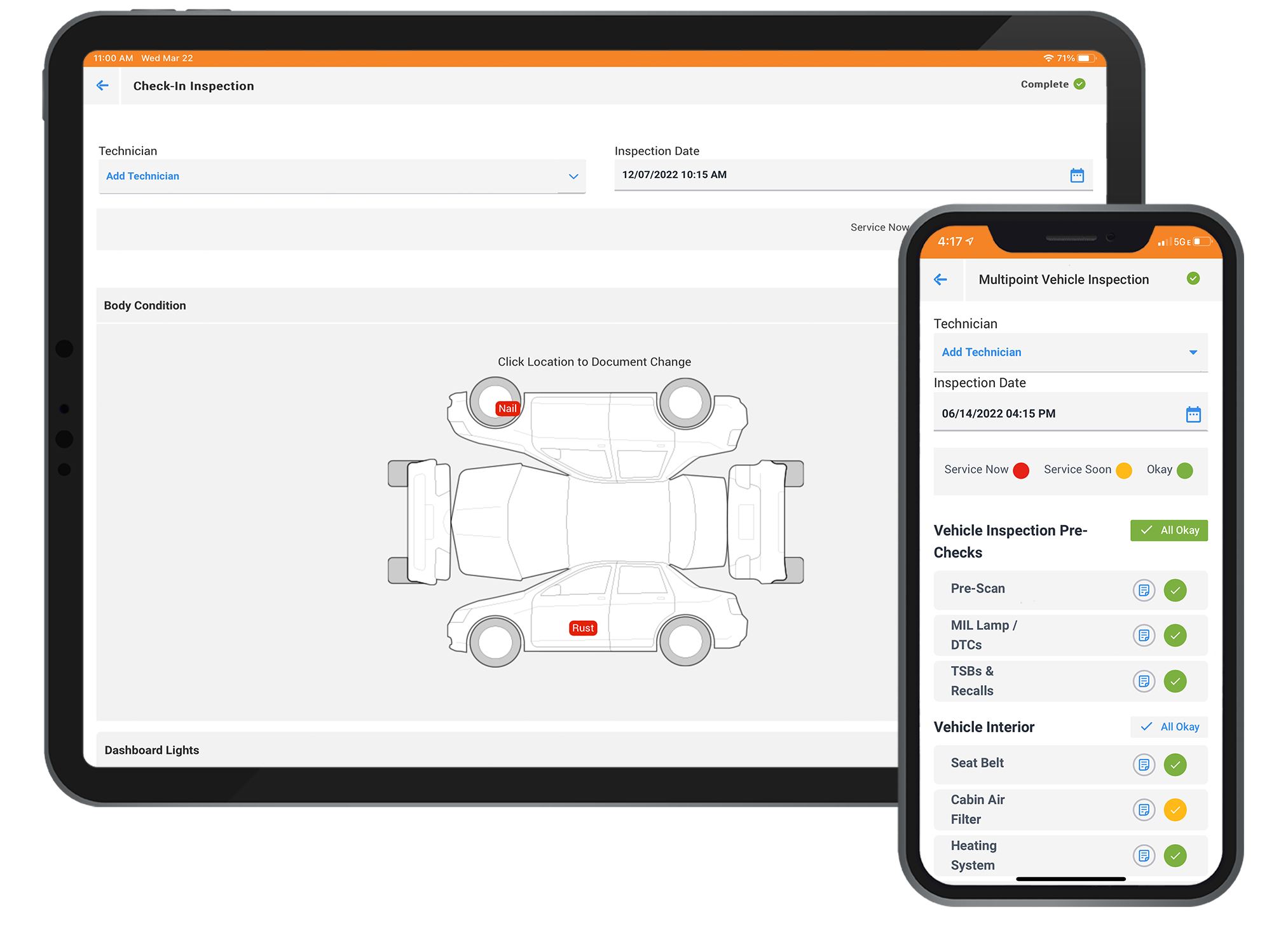
The best mobile apps provide mobile-ready access to comprehensive OEM parts and labor data, digital vehicle inspections, and shop management features. This empowers technicians to perform accurate diagnostics, access repair procedures, manage workflow, and order parts efficiently to help ensure faster, more reliable repairs and increased customer satisfaction. ALLDATA Mobile, for instance, allows technicians to access unedited OEM repair information on their tablets or smartphones at the vehicle, perform digital vehicle inspections with ALLDATA Inspections, and tap into probable causes sourced across ALLDATA Community.
The best car repair apps feature Original Equipment Manufacturer (OEM) repair data – that is, factory-direct information detailing OEM parts and labor. Look for OEM accuracy to help prevent misdiagnosis and liability from non-factory specs and to help keep your shop compliant. You’ll also want to look for ease of use, mobile features, software that delivers the latest updates, integration options, robust support and training, and future readiness.
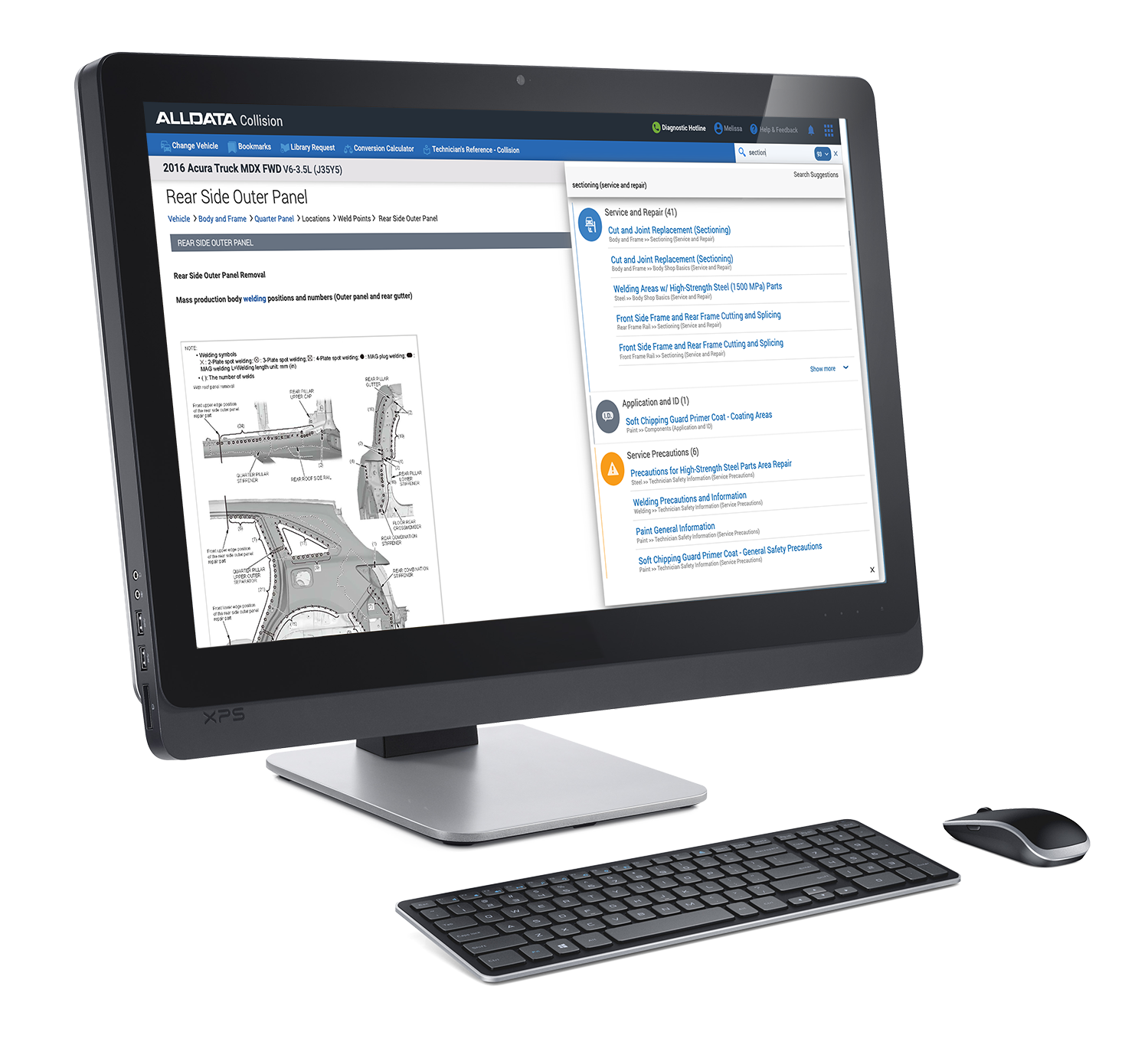
Yes, a collision shop absolutely needs access to OEM mechanical data to ensure repairs are performed safely and accurately. Today’s vehicles are equipped with sophisticated electronics, advanced driver assistance systems (ADAS), and complex integrated systems, requiring sound OEM (Original Equipment Manufacturer) mechanical data recommended by the vehicle manufacturer to ensure proper repairs and calibrations and to reduce comebacks.
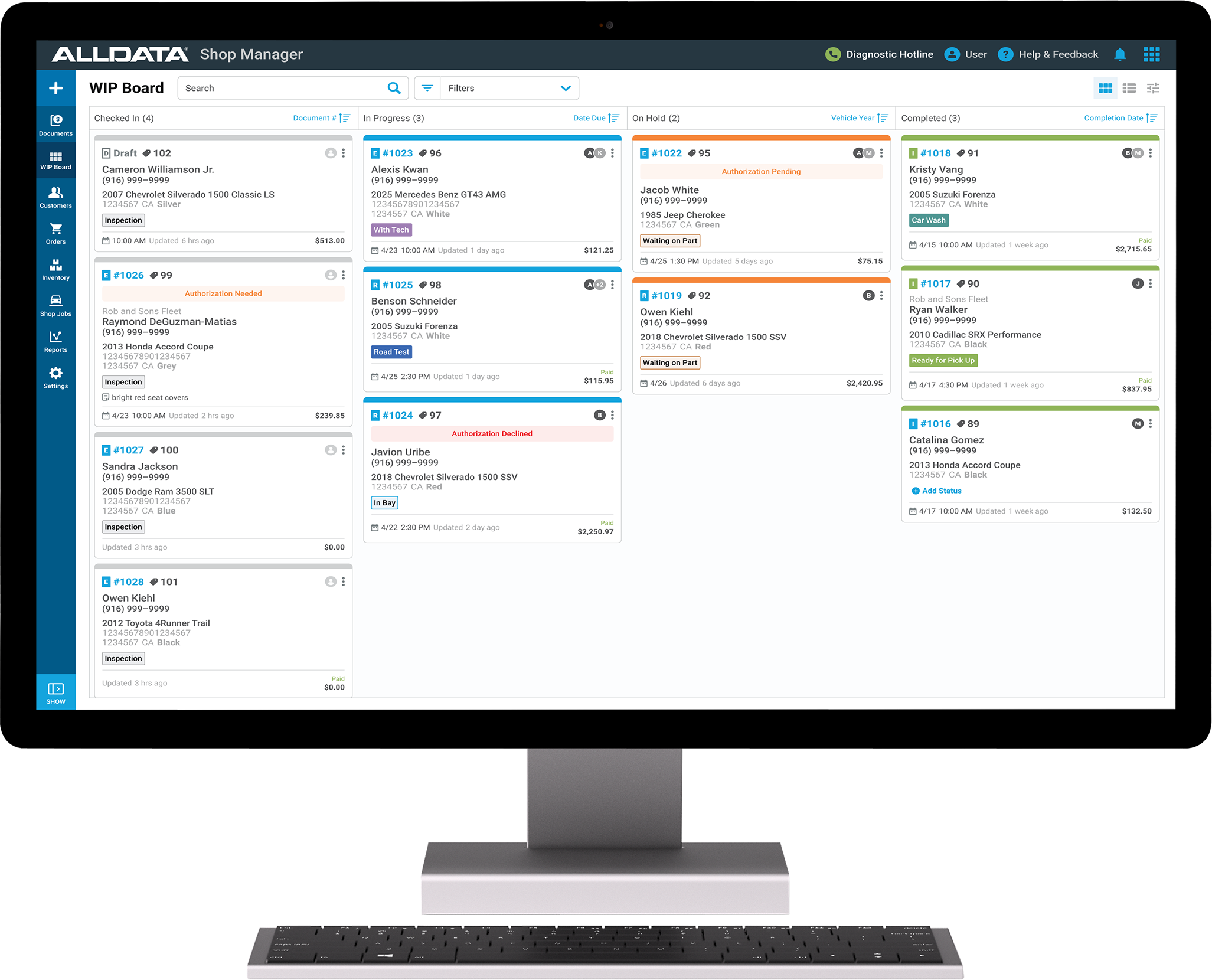
To open and run a two-bay automotive garage, you’ll need essential repair data that grants access to unedited, factory-direct repair information, otherwise known as OEM (Original Equipment Manufacturer) data. Look for a platform like ALLDATA, which focuses on mechanical data and offers OEM repair procedures, interactive wiring diagrams, DTCs, TSBs, diagnostics information, and shop management software that helps streamline scheduling, inventory tracking, technician reporting, estimating and invoicing.
To reduce liability in your collision shop, it’s critical to choose software that helps ensure safe repairs, accurate documentation, and regulation compliance. Look for up-to-date OEM repair data and easily accessible manufacturer position statements to help ensure vehicles are repaired according to manufacturer standards and comprehensive repair planning tools to help reduce missed steps or incorrect procedures.
ALLDATA Repair Planner, for instance, offers a timesaving tool that works with the industry’s three major estimating systems (CCC, Mitchell, and Audatex) and integrates seamlessly with ALLDATA Collision to ensure safe, factory-accurate repairs. ALLDATA Repair Planner provides OEM alerts, line-by-line red alerts to ensure technicians are repairing vehicles to factory specifications; OEM procedures, graphic icons that point to relevant OEM content in ALLDATA Collision, such as TSBs, DTCs, service precautions, diagrams, paint codes and more; and vital repairs, detailed OEM-specified, post-collision inspections and repairs, including high-voltage system disable/enable procedures.