


Custom Suspension Work Done Right
In our current timeline, every shop is looking for ways to expand coverage and drive more profit. Taking on more OEM work can keep bays full, but it also ties up technicians. In some cases, stepping into a specialized niche can position your shop as the go-to, delivering higher dollars per hour with a better overall return.
One area that stands out is the aftermarket, especially with the continued popularity of trucks. A tire and wheel package paired with a lift or leveling kit might sell the job, but the real profit is in everything around the install. Removing OEM components, installing aftermarket parts, and torquing everything back to spec all require the right tools, accurate information, and a level of experience most customers would rather not tackle themselves. What starts as a basic strut replacement can quickly turn into a ticket that is well worth the effort.
Build a Relationship That Sells the Job for You
Partnering with an off-road or aftermarket supplier does more than just get parts in the door–it gives your shop a knowledge base you can lean on and can even lead to being listed as a trusted installer. When a customer walks in asking about a lift or level kit for their truck, they’re not just buying parts; they’re looking for guidance. What size tire can they run without rubbing? Will that offset push the wheel too far out? Is a leveling kit enough, or do they need a full lift for how the truck is used? Having a trusted supplier in your corner helps you answer those questions with confidence instead of guesswork.
This matters even more when you’re dealing with trucks that see work. Fleet vehicles and job site trucks aren’t built for looks alone. Ground clearance, load handling, and tire wear all play a role in how that truck performs day to day. If you can spec a setup that improves function without creating new problems, you’re not just selling a job–you’re building long-term customers who rely on your shop to keep their trucks working.
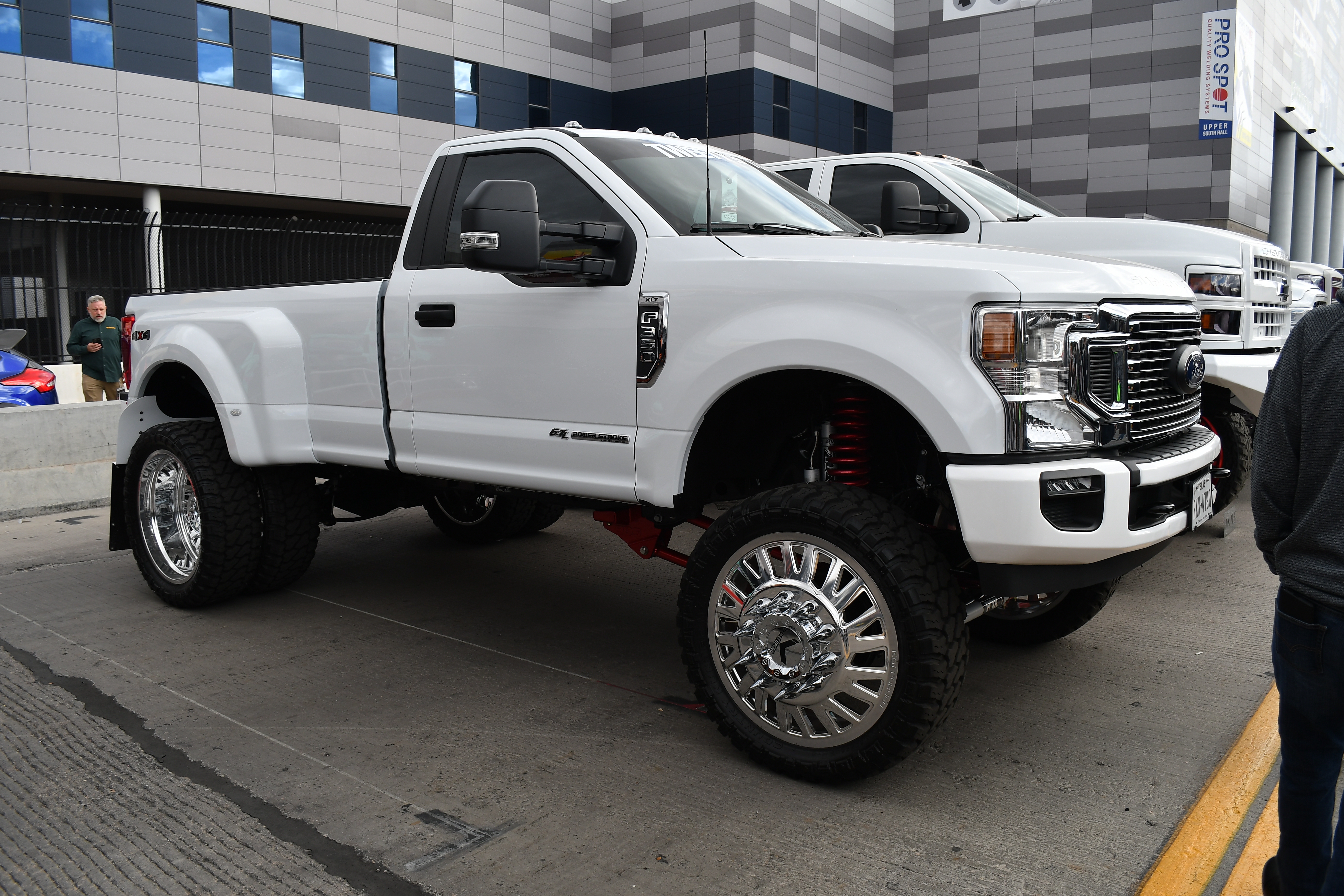
Providing sound guidance also positions your shop differently. Instead of being the place that just does repairs or installs whatever a customer brings in, you become the place they go to get it done right from the start. Most shops don’t want to deal with customer-supplied parts or give away free advice, and for good reason. When you control the parts selection and the plan, you control the outcome. That shift alone can increase average ticket value and cut down on rework from mismatched setups.
Use OEM Data to Protect the Job and the Comeback Rate
Suspension work might look straightforward on the surface, but modern trucks have more going on underneath than previously. Gone are the days of tossing in longer struts, swapping shackles, and calling it good with a set of 44-inch Swampers. Today’s trucks are built with aluminum suspension components, integrated ADAS systems, and ride height sensors that can light up the dash if something is off. Removing, reinstalling, and recalibrating are not something you want to approach with a “good enough” mindset. Torque specs, tightening sequences, and one-time-use hardware all matter, especially when that truck is heading back onto the road or job site.
That’s where having the right OEM repair data comes into play. Having access to manufacturer procedures through tools like ALLDATA Repair means you’re not guessing on critical steps like control arm bolt torque, strut assembly specs, or whether a sensor needs recalibration after the install.
Example of Modern Suspension Requirements
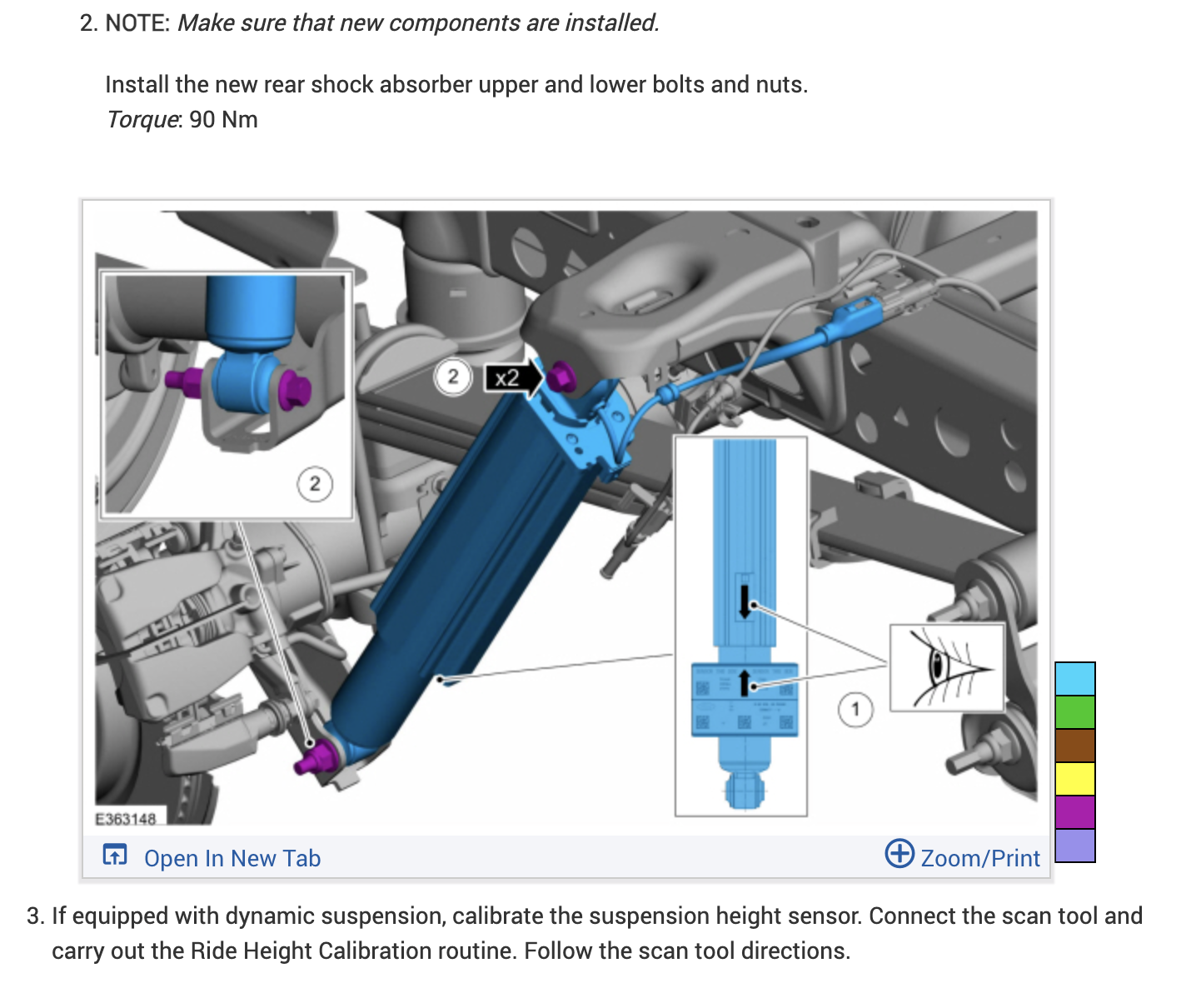
For fleet and work trucks, this becomes even more important. These vehicles rack up miles, carry loads, and see rough conditions daily. A missed torque spec or skipped recalibration is not just a minor issue; it can turn into uneven tire wear, poor handling, or even a safety concern. Using OEM data protects both the vehicle and your shop’s reputation.
Don’t Let Tool Gaps Slow the Job Down
If you’ve done enough suspension work, you already know that the right tool can make or break the job. Stubborn ball joints, seized bolts, and tightly packaged components can turn a straightforward install into a time sink if you’re not equipped to handle it. Unfortunately, some of those specialty tools don’t get used often enough to justify buying them outright.
That’s where programs like AutoZone’s Loan-a-Tool program come in handy. Instead of passing on a job or fighting through it with the wrong equipment, you can get access to the proper tools when you need them. Whether it’s a spring compressor, ball joint press, or puller set, having the right tool on hand keeps the job moving and protects both the vehicle and your technicians.
For shops working on fleet trucks or job site vehicles, downtime is everything. The longer that truck sits in your bay, the longer it’s not making money for the customer. Being able to complete the job efficiently without delays caused by missing tools helps you turn work faster and keeps those customers coming back.
Charge for the Work That’s Actually Being Done
One of the biggest mistakes shops make with suspension work is underestimating how much labor is involved. A lift or leveling kit might be sold as a simple install, but once you’re into the job, you’re dealing with disassembly, hardware issues, component swaps, and careful reassembly. Add in alignment considerations and possible recalibrations, and it quickly becomes more than just a “bolt-on” job.
Using labor guides or established aftermarket standards helps you build estimates that reflect the full scope of the work, making sure all the work is accounted for. Instead of guessing or going off memory, you can back your pricing with data. That not only ensures you’re getting paid for the time involved, but it also gives you something concrete to point to when a customer questions the cost.
For fleet and work truck customers, this level of transparency can work in your favor. They understand downtime has a cost, and they’re often more concerned with getting the job done right than cutting corners. When you present a clear, accurate estimate that accounts for everything involved, it reinforces that your shop is focused on quality and reliability, not just rushing vehicles out the door.
CYA Before It Comes Back
No matter how clean the install is, trucks that see real use are going to settle, shift, and sometimes loosen up after those first few hundred miles. That is why it is critical to set expectations before the vehicle leaves the shop. Let the customer know upfront that a post-install recheck is part of the process, not an upsell. A quick inspection and re-torque after 500 to 1,000 miles can catch minor issues before they turn into noise complaints, uneven wear, or something that feels off behind the wheel.
It is also worth having an honest conversation about how the truck is going to be used. A daily driver that occasionally hits a dirt road is a very different build than a work truck or something that spends weekends off-road. Recommending upgraded components like heavy-duty ball joints, control arms, or shocks based on that use case helps prevent premature wear and sets the customer up for better long-term results. This advice also reinforces that your shop is focused on building a setup that works, not just installing parts.
Finally, document everything. From the condition of components during teardown to torque procedures and any recommendations made, it should all live in your shop management system. If something comes back later, you have a clear history of what was done, what was recommended, and how the vehicle was set up, which protects both your work and your reputation.
It’s Not the Kit; It’s Everything Around It
At the end of the day, lift kits and leveling kits might get the customer in the door, but they are only part of the equation. The real profit comes from everything around the install, from proper teardown and reassembly to using the right tools and following OEM procedures. Call it what you want, but in the shop, cash rules everything around it.
Whether it is a daily driver, a fleet truck, or something that sees hard use off-road, the shops that take the extra steps are the ones that come out ahead. Build it right, document the work, and set expectations before the keys are handed back. Do that consistently, and suspension work stops being a one-time job and turns into a repeatable, profitable part of your business.
Want to see how ALLDATA can improve shop efficiency? Check out our suite of products, each designed to contribute to both shop efficiency and productivity.
If you would like to read more articles like this one please subscribe to ALLDATA News.
